
Simple Recipes for Healthy Eating at Home
Discover practical cooking methods, ingredient selection strategies, and meal planning techniques that support balanced nutrition and wellness.
Whole Food Focus
Learn how to build meals around unprocessed ingredients like fresh vegetables, whole grains, legumes, and quality proteins. Understanding the nutritional value of whole foods helps you make informed choices about what goes on your plate every day.
Time-Efficient Preparation
Discover meal prep strategies that fit into busy schedules. From batch cooking on weekends to quick weeknight recipes, we explore practical methods to prepare nutritious meals without spending hours in the kitchen.
Cooking Technique Mastery
Explore essential cooking methods that preserve nutrient content while enhancing flavor. Learn about steaming, roasting, sautéing with minimal oil, and other techniques that support healthy eating without sacrificing taste.
Balanced Meal Planning
Understand how to combine macronutrients and micronutrients effectively. Our guides help you structure meals that include adequate protein, healthy fats, and complex carbohydrates for sustained energy and satisfaction throughout the day.
Ingredient Selection Guide
Learn to read labels, understand product quality indicators, and select ingredients that align with your dietary preferences. We provide practical advice on choosing seasonal produce, quality oils, and other pantry staples.
Kitchen Setup Essentials
Discover which tools and equipment genuinely support healthy cooking at home. From knives and cutting boards to storage containers, we review practical items that make food preparation easier and more enjoyable.
The information on this site is for educational purposes only and does not constitute medical advice. Always consult a qualified healthcare professional before making health decisions.
Why Home Cooking Matters for Your Health
When you cook at home, you have complete control over ingredient quality, cooking methods, and portion sizes. This control is fundamental to supporting your body's nutritional needs and developing a sustainable approach to eating well.
Home cooking also builds practical skills and food knowledge that extend far beyond individual meals. Understanding how to select ingredients, combine flavors, and prepare food properly creates the foundation for long-term wellness habits.
Additionally, preparing meals at home often costs less than eating prepared foods, reduces unnecessary additives, and allows you to tailor recipes to your specific preferences and dietary patterns.
- Quality Control: Know exactly what goes into every dish
- Cost Efficiency: Home cooking typically costs less per serving
- Skill Development: Build confidence and culinary knowledge
- Customization: Adjust recipes to match your preferences
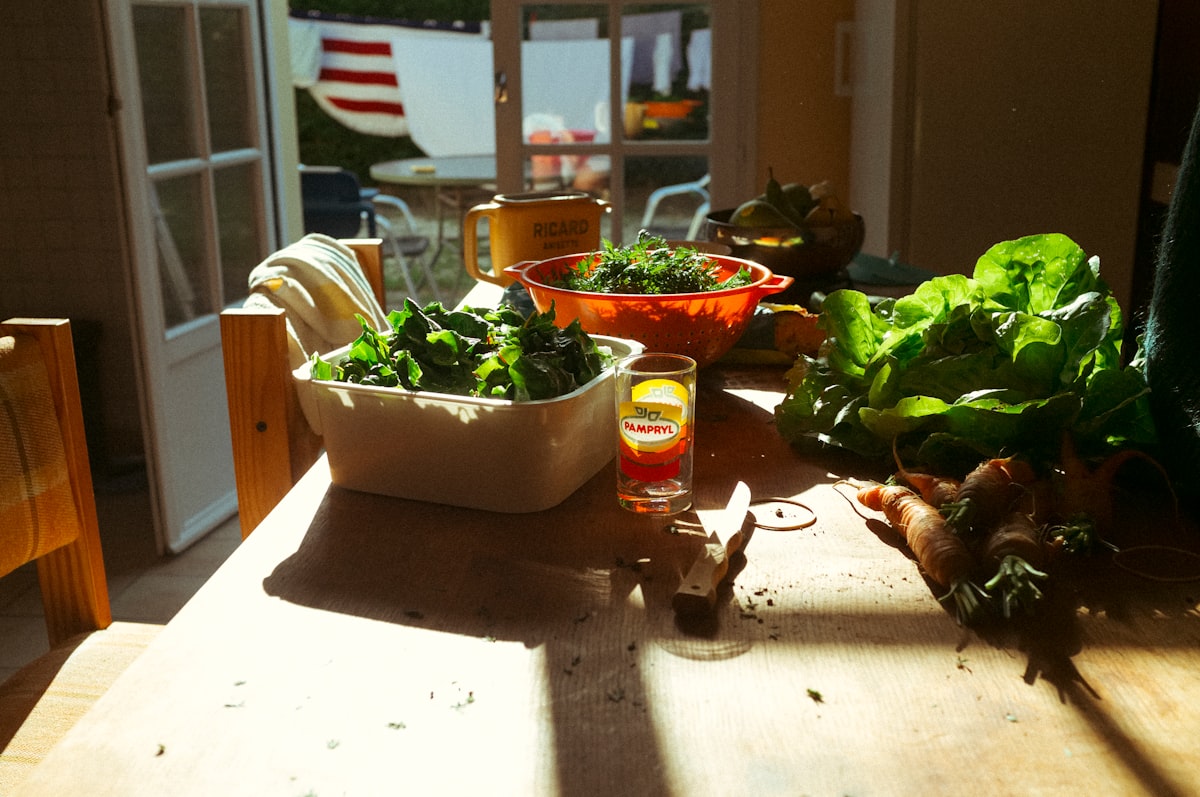
5 Steps to Meal Prep Like a Pro
A systematic approach to planning and preparing nutritious meals in advance
Plan Your Meals
Start by planning 3-4 days of meals at a time. Consider your schedule, available ingredients, and what sounds appealing to eat. Write down recipes and create a simple shopping list based on your planned meals.
Shop Strategically
Choose seasonal produce when possible for better quality and value. Shop the perimeter of the store first where whole foods are typically located. Check for quality markers like firm vegetables and properly packaged proteins.
Prep Your Ingredients
Wash and chop vegetables, cook grains, and prepare proteins in advance. Store prepped ingredients in clear containers so you can easily see what you have available. Properly stored prepared ingredients stay fresh for 3-4 days.
Cook Base Components
Prepare versatile base components like rice, quinoa, roasted vegetables, and cooked beans. These components can be mixed and matched with different sauces and seasonings throughout the week to create variety without extra cooking effort.
Assemble and Store
Combine your prepped components into containers for meals or store them separately for maximum flexibility. Use proper storage containers to maintain freshness. Label containers with contents and date prepared.
Pro Tips
Keep sauces and dressings separate until serving time to maintain texture. Cook proteins last so they stay fresh longest. Use an organized approach with labeled containers to reduce decision fatigue during the week.
Visual Recipe Collection
Explore different cooking methods and recipe categories

Roasted Vegetable Bowls
Seasonal vegetables roasted with herbs and served over whole grains
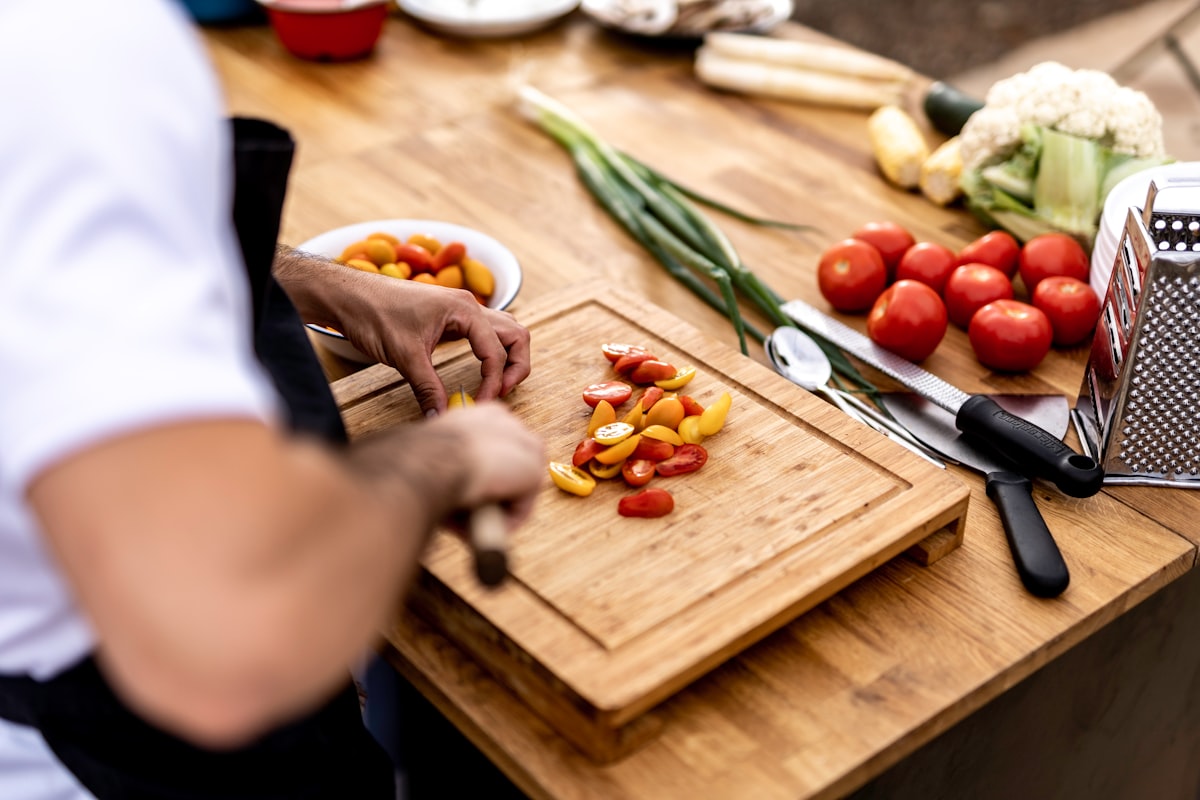
Grilled Protein Plates
Simple grilled preparations with minimal oil and maximum flavor
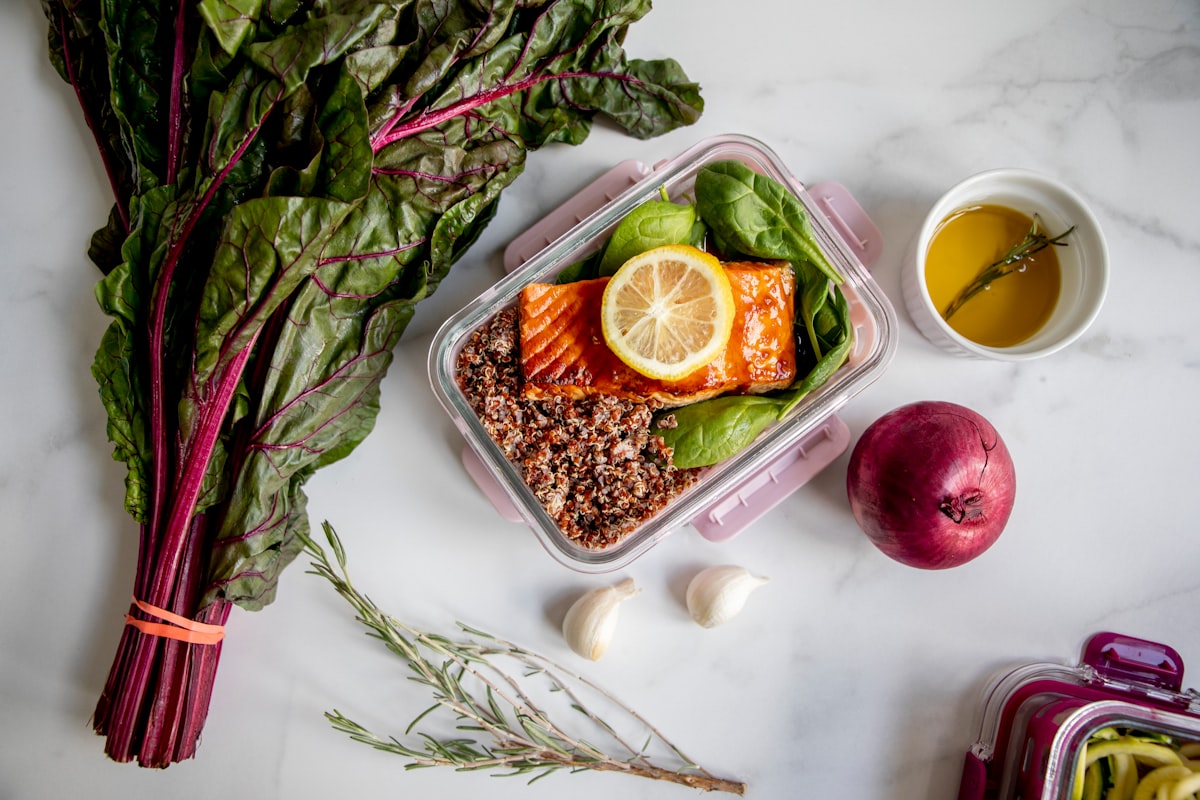
Whole Grain Salads
Nutritious salads combining vegetables, grains, and quality proteins

Steamed Vegetable Medleys
Nutrient-preserving steaming techniques for maximum health benefits
Essential Kitchen Tools You Actually Need
Quality tools that support efficient and healthy food preparation
Sharp Chef's Knife
A high-quality chef's knife is foundational. Invest in one good knife rather than many poor ones. A sharp blade makes chopping faster, safer, and encourages you to cook fresh ingredients more frequently.
Cutting Boards
Have at least two cutting boards—one for vegetables and one for proteins. Wood or plastic boards are both effective. A good cutting board protects your knife and provides a stable surface for safe food prep.
Quality Cookware
Invest in a few versatile pans: a large skillet, a sauce pot, and a sheet pan for roasting. Stainless steel or cast iron pans distribute heat evenly and last for years with proper care.
Measuring Tools
Measuring cups, spoons, and a kitchen scale help you understand portions and recipe ratios. Consistent measurements lead to more predictable results as you develop your cooking skills.
Storage Containers
Glass or food-grade plastic containers with lids make meal storage and kitchen organization easier. Clear containers let you see contents at a glance, reducing waste and supporting meal prep success.
Food Processor or Blender
A food processor simplifies ingredient prep like chopping vegetables or making sauces. A blender works well for smoothies and soups. Choose based on what recipes appeal to you most.
Common Questions About Healthy Home Cooking
Find answers to frequently asked questions about recipes, preparation, and nutrition
How long can prepped ingredients stay fresh?
Most properly stored vegetables and cooked grains last 3-4 days in the refrigerator. Raw proteins should be used within 1-2 days. Store everything in airtight containers to maintain freshness and prevent cross-contamination.
What cooking oils are best for health?
Olive oil, avocado oil, and coconut oil are popular choices. Extra virgin olive oil works best for dressings and low-heat cooking. Use refined oils for higher-heat cooking. The key is using minimal quantities regardless of oil type.
How do I ensure meals are balanced nutritionally?
Include a protein source, plenty of vegetables, and a quality carbohydrate source in each meal. This combination provides sustained energy and satiety. The proportions can vary based on your preferences and activity level.
What's the best way to store fresh produce?
Leafy greens stay fresh in sealed containers in the crisper drawer. Harder vegetables like carrots and peppers store well in the crisper. Tomatoes keep at room temperature. Berries should be stored loosely on a paper towel in the refrigerator.
How can I make meals flavorful without excess salt?
Use herbs, spices, lemon juice, garlic, and vinegars to enhance flavor naturally. Toasting spices before adding them intensifies their flavor. Fresh herbs added at the end of cooking maintain their vibrancy and impact.
What are some quick recipe ideas for busy weeknights?
Sheet pan meals, stir-fries, and grain bowls all come together in 20-30 minutes. Using pre-prepped ingredients from weekend meal prep cuts time significantly. Having versatile sauces and seasonings on hand lets you create variety quickly.
Featured Articles & Resources
Explore comprehensive guides on healthy cooking at home
Meal Prep Strategies
Detailed approaches to planning and preparing nutritious meals in advance, including containers, storage techniques, and timing strategies for maximum efficiency.
Learn moreChoosing Quality Ingredients
Guidelines for selecting fresh vegetables, quality proteins, whole grains, and pantry staples. Understand labels, seasonality, and how ingredient quality impacts your meals.
Learn moreCooking Techniques Guide
Master essential cooking methods including roasting, steaming, sautéing, and grilling. Learn how different techniques affect nutritional content and flavor profile of your food.
Learn moreCommunity Success Stories
See how real people have transformed their health with Nutrition Kitchen Hub
Sarah Mitchell
Lost significant weight in 4 months
"The meal plans are so easy to follow and delicious. I finally found a way to eat healthy without feeling deprived. The community support keeps me motivated!"
James Rodriguez
Improved energy levels
"Within two weeks, I noticed a significant boost in my energy. The nutritional guidance is backed by science and the recipes are restaurant-quality."
Emma Thompson
Better health markers
"My cholesterol and blood pressure have improved significantly. The personalized approach makes all the difference. Highly recommend Nutrition Kitchen Hub!"
Frequently Asked Questions
Find answers to common questions about our services
Absolutely! We offer customizable meal plans for vegetarian, vegan, keto, paleo, gluten-free, and dairy-free diets. You can specify your preferences during setup and we'll generate personalized plans accordingly.
We add new recipes every week! Our team of nutritionists and chefs continuously develop fresh, seasonal recipes to keep your meal planning exciting and diverse.
Yes! We offer a 30-day money-back guarantee. If you're not completely satisfied with our service, simply contact our support team for a full refund, no questions asked.
Absolutely! Our dedicated support team is available via email, chat, and phone during business hours. We're here to help with any questions about meal plans, recipes, or technical issues.
Ready to Transform Your Health?
Join thousands of people who have already discovered the joy of healthy, delicious eating. Start your journey with Nutrition Kitchen Hub today.
Secure signup. No credit card required.